Panel maintenance isn’t something a homeowner often thinks of as a priority--or even thinks about at all. The metal box sits in our homes where it seemingly magically delivers electricity to everything we use daily and with necessity. We don’t see what goes on inside of these panels, so oftentimes they are out of our minds. BUT, your electrical panel and its health is much more important than the seemingly "magic box" may imply.
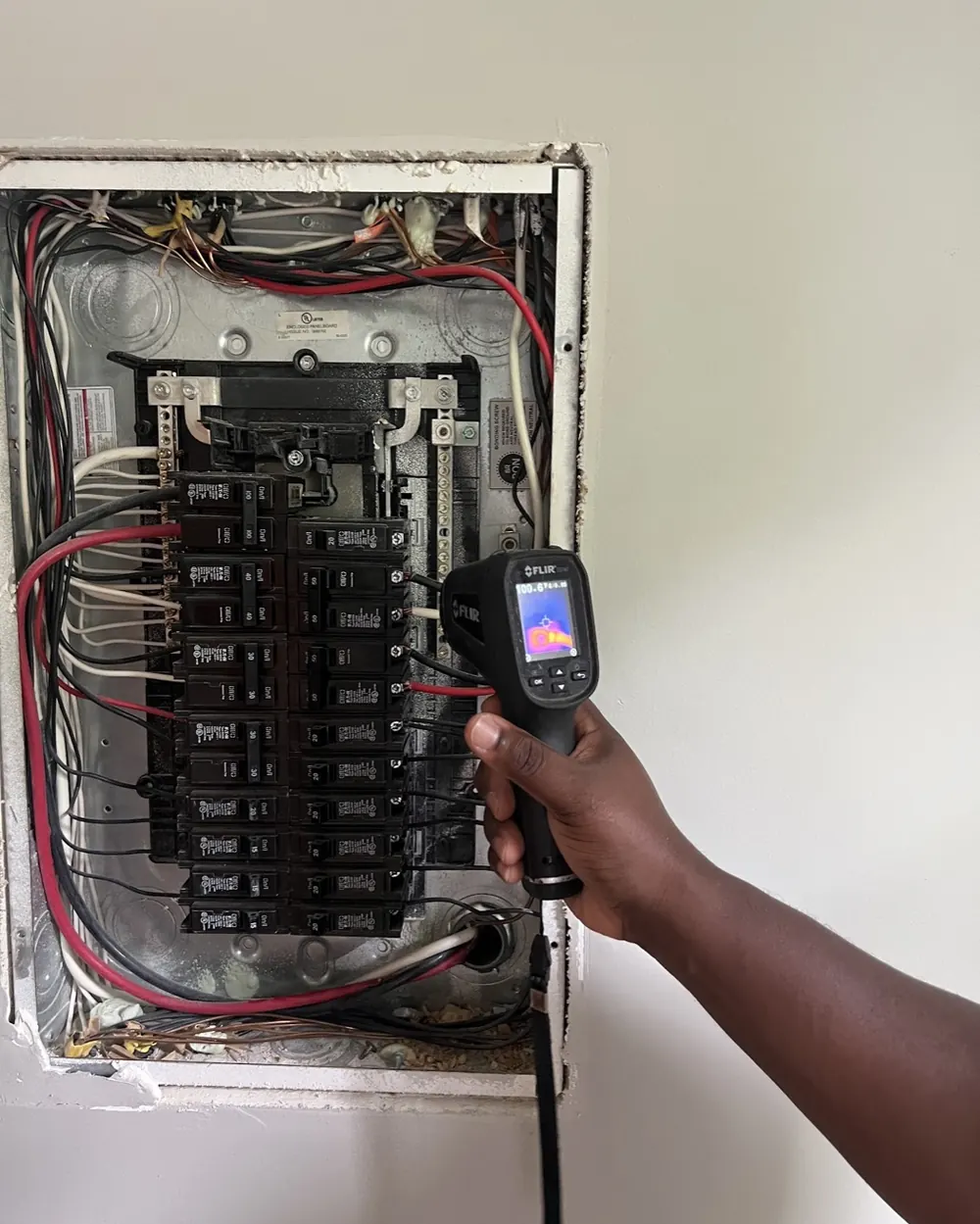
Inside our breaker boxes, or “load centers” is an array of screws, metal bussing (what breakers sit on) lugs, and much more. All of these components require a torque rating (tightening) specified by the manufacturer.
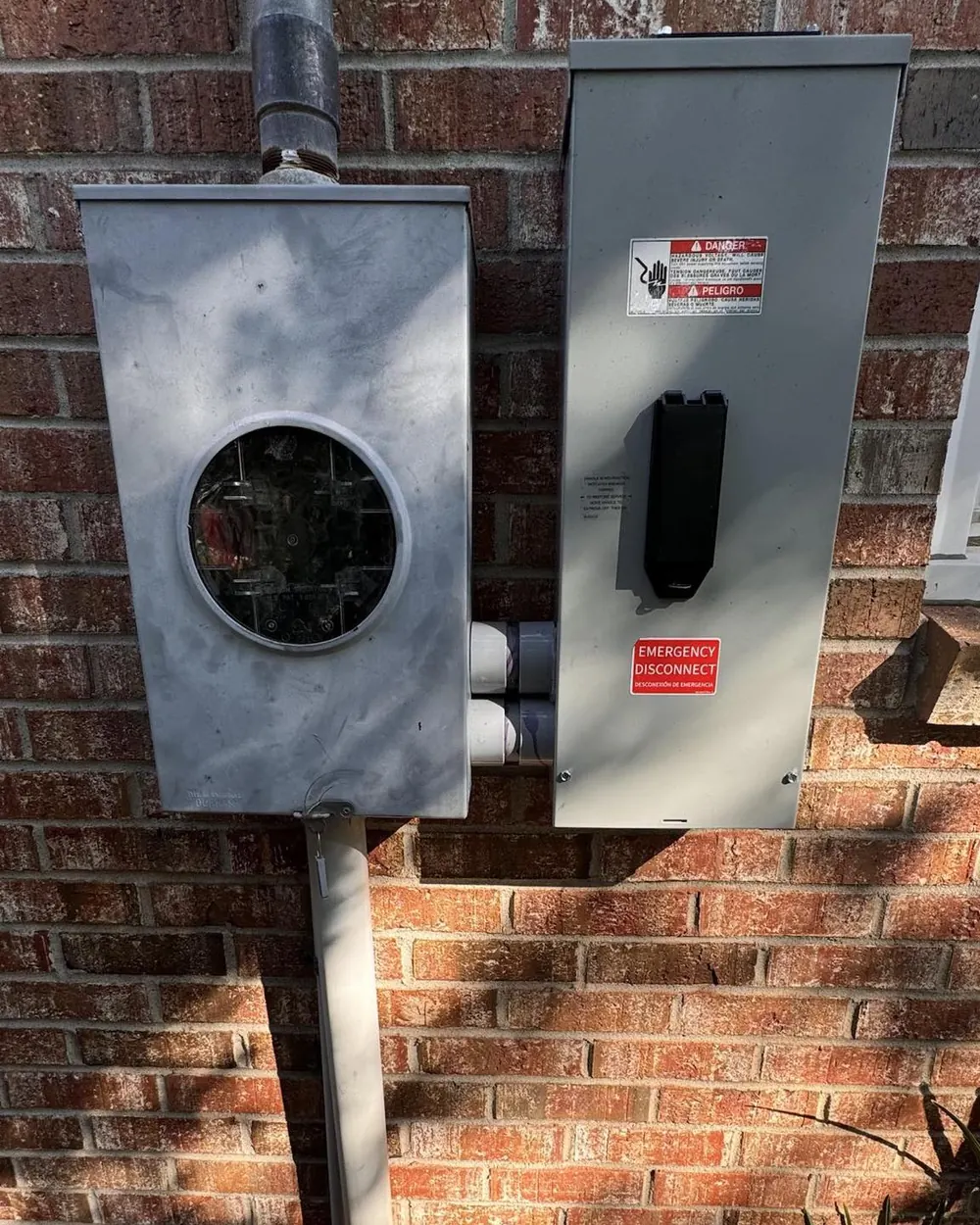
How does a panel work? In simple terms, your electrical panel is fed from the utility (the people you pay your electric bill to every month) either underground or overhead. It is then fed to a utility meter, and from there, it is fed to your breaker panel. In your panel are a variety of differently “sized” circuits that feed your appliances and your other household demands. Electricity always seeks a path to its source. It flows through your panel, through the breaker, onto the conductor, and then returns to the breaker panel.
Now, why is maintaining a panel and having it torqued properly important? When installed and maintained improperly, an array of issues can occur. Electricity's biggest enemy is resistance--explained simply, the higher the resistance, the more heat that is generated at a given point. Have you ever touched an incandescent bulb that's been in use and burned a finger? That’s close to the same principle of what can happen inside a panel that is not maintained properly.
Improper connections and torquing results in resistance = heat.
As a customer, how can you know if this is happening "behind the scenes"?
We'll list some potential signs below. Keep in mind that all of these don't necessarily mean there's overheating happening due to improper torquing, but they can be potential symptoms.
1. Circuits tripping: Having a circuit trip can be a potential indicator of poor connections and overheating in your panel. We aren't in the business of scaring people, so we also need to mention here that there are lots of reasons a breaker may trip, and not all of them are nefarious. But, if your breaker is tripping often (more than once after resetting), you should call someone to come take a look. A good indicator of the issue being related to overheating is if you have an appliance that is able to be turned on for a while, and then partway through use, the breaker it's on trips.
2. A sizzling or buzzing sound coming from your panel. If your panel is making any sounds while sedentary, you should give an electrician a call.
3. Flickering lights. This is another one that can have several different causes. If all the lights are flickering in your house and you're having widespread power issues, first course of action that we recommend is to call your utility. However, if you're having issues in a certain area, call an electrician.
4. If you've noticed your bulbs burning out prematurely.
The truth is, there aren't always signs, which is why panel maintenance is important. What I recommend is 1) Don't ignore red flags, and 2) have annual or bi-annual panel maintenance done. Panel connections can loosen over time, so it's important that they are attended to regularly. Plus, it's good to get eyes (of a professional) on the inside of your panel with regularity.
I have worked on many panels that were not torqued properly, or on circuits that were improperly sized, and have had to tell customers that have ignored "red flags" (or not known what to look for) the sad news that their breaker panel needed to be replaced. The heat that is generated from the improperly installed items can cause the plastic in the panel to heat, creating a melted mess on the internals of the panel, and that is not something that can be repaired.
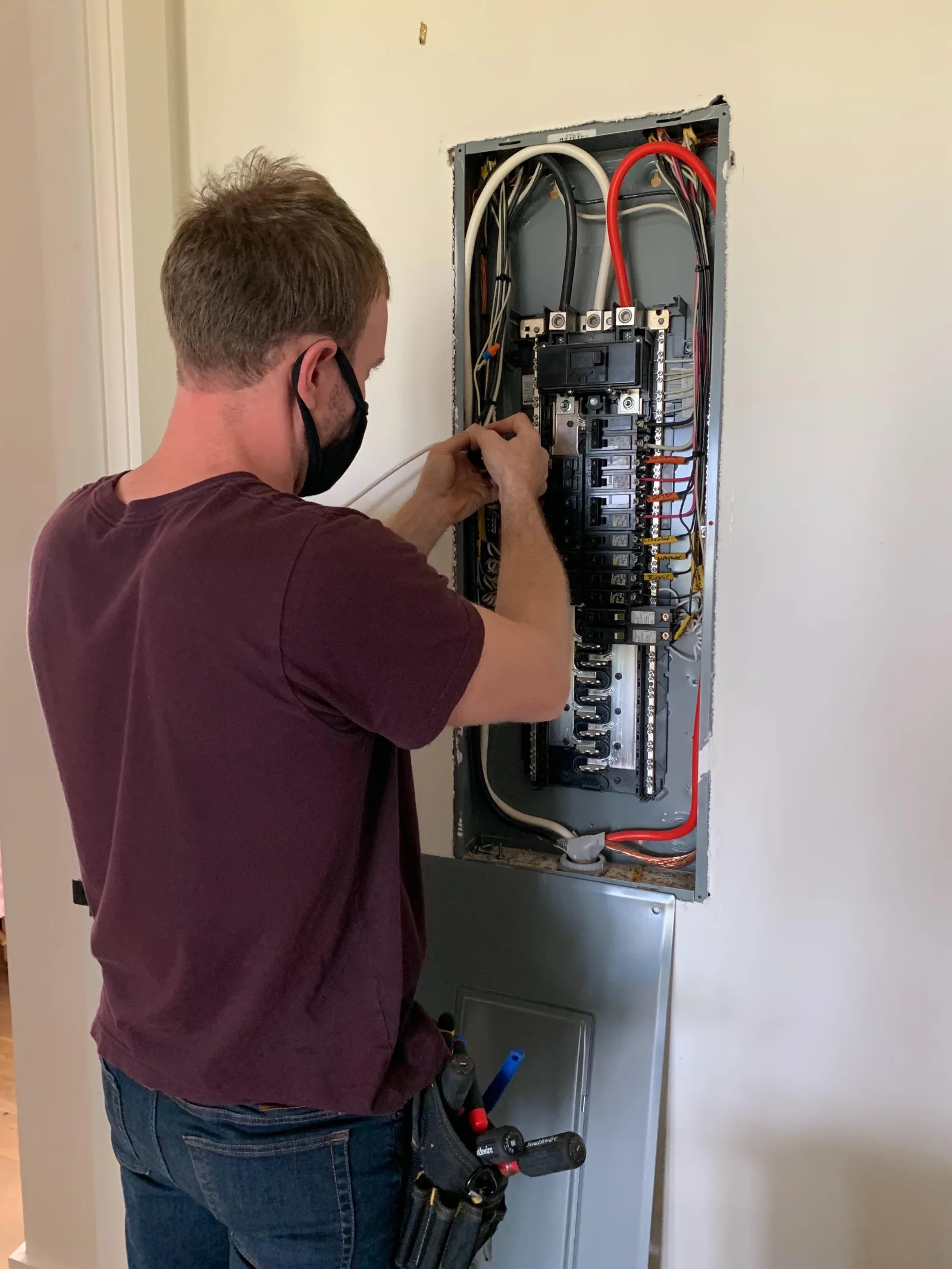
What can you do to prevent this from happening? Like vehicles, your electrical system also requires maintenance. You can hire an electrician to correctly evaluate the condition of your electrical system, inspect torque ratings, and ensure that your panel is properly sized. Don’t have an electrician? We'd be glad to help! If you have any questions, you can email us and ask us for more information about maintenance on your electrical system.
We also recommend our Preventative Maintenance Service Plan if you are interested in bi-annual home electrical maintenance.
Andrew
Lead Electrician
Gloudeman Electric, LLC