top of page
Search

We can't believe it either, but the holidays are approaching! Many of us in the Charleston, Mount Pleasant and surrounding Lowcountry areas are beginning to think about getting our homes ready for family gatherings, festive décor, and the warmth of celebration. While the excitement builds, it’s essential not to overlook your home’s electrical setup. Making a few electrical upgrades now can help ensure a smooth and safe holiday season, free from inconvenient outages or hazards.


Here are a few home electrical preparations to consider before the holidays:


1. Add Electrical Outlets for Holiday Lights

Decorating with holiday lights is a time-honored tradition, but running long extension cords outside to reach an outlet can cause several issues. Overloaded circuits can lead to breakers tripping, and running extension cords in the elements and not in a protected area can lead to water intrusion, outages and fire hazards. To avoid these risks, consider adding electrical outlets closer to where you plan to hang your outdoor or indoor lights.


This not only prevents overuse of extension cords but also ensures your electrical system is up to the task of handling the additional load of holiday decorations.


If you live in the Lowcountry, Gloudeman Electric can help install outdoor GFCI-protected outlets, providing safer access for your holiday lighting setup.


2. Install Surge Protection

With all the extra gadgets, lights, and devices running during the holiday season, protecting your home from electrical surges becomes even more important. We talk a lot about surge protection here and how important it is (check out another blog we wrote on that topic HERE.), so we must mention it here. A surge can cause damage to your electronics and appliances, leading to expensive repairs or replacements, as well as unwelcome outages.


Homeline Square D Surge protector installed in an electrical panel

Installing whole-home surge protection ahead of the holidays is a smart investment. It helps safeguard your home’s electrical system from surges caused by lightning, faulty wiring, or utility work.


3. Invest in a Generator Inlet

Last year’s cold snap in the Charleston area left many homes without power during a critical time for holiday gatherings. To avoid being left in the dark during family dinners or festive parties, consider installing a generator inlet. This simple upgrade allows you to connect a portable generator directly to your home’s electrical system, keeping your lights, heat, and essential appliances running in the event of a power outage. For more information on the benefits of generator inlets, check out our previous blog post HERE about generator inlets and how they’re especially useful during hurricane season.


A generator inlet gives peace of mind, ensuring that even in unpredictable winter weather, your holiday plans won’t be interrupted.


4. Upgrade Interior and Exterior Lighting

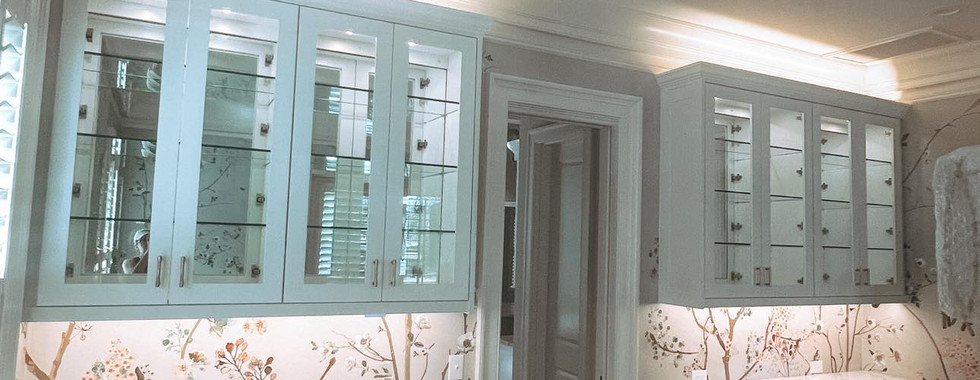
The holidays are a perfect time to enhance the ambiance of your home. Upgrading your interior lighting is an simple way to create a cozy and festive atmosphere while improving your home’s overall functionality. Consider installing under-cabinet lighting in the kitchen for better task lighting while preparing holiday meals, or add toe-kick lighting in bathrooms.


During the holidays, your home's exterior is as important as inside! Consider adding landscape lighting and/or step lighting to illuminate your home’s exterior during evening gatherings.


Gloudeman Electric specializes in custom lighting installations that can help set the perfect mood for your holiday celebrations.




Get Ready for a Safe and Festive Holiday Season

Preparing your home’s electrical system for the holidays can prevent unnecessary headaches and ensure your family’s safety and comfort. Whether you need additional outlets, surge protection, a generator inlet or just want to spruce things up, Gloudeman Electric is here to help.


Reach out today to schedule an inspection or upgrade!


Owning an older home in Mount Pleasant or the Charleston, SC area comes with unique charm and character. However, many homes built several decades ago are often not up to modern electrical standards. While historic details are appealing, the electrical system behind the walls might pose safety risks and inefficiencies. Here are five common electrical issues found in older homes and tips on how to fix them.


1. No Emergency Disconnect for the Electrical Panel


Outside meter with emergency disconnect

Older homes often lack an emergency disconnect, which is now required by modern electrical codes. The emergency disconnect is a switch located outside the home that allows the electrical supply to be cut off in case of an emergency, such as a fire. Without this feature, it can take longer for first responders to safely handle an emergency situation.

How to Fix It: Installing an emergency disconnect switch is a relatively simple upgrade that a licensed electrician can perform. This ensures that your home meets current safety standards and provides a fast way to shut off power when needed.


2. Recalled Electrical Panels

Recalled electrical panel with burned bus and breakers

Several types of electrical panels installed in older homes have since been recalled due to safety concerns. These include brands like Federal Pacific, Challenger, and Zinsco panels, which have been known to fail in shutting off during an electrical overload, leading to fire hazards. We talk more about those recalled panels on our blog post HERE.


How to Fix It: If your home still has a recalled electrical panel, replacing it with a modern one is critical. An electrician can safely install a new panel that meets today’s safety standards and can handle the electrical load of modern appliances and technology.


3. Ungrounded Outlets


Outlet without a ground prong

Ungrounded outlets are common in homes built before the 1960s. These two-pronged outlets lack the third ground wire, which protects people and devices from electrical surges. Without a ground, the risk of electric shock or fire increases.

How to Fix It: The best solution is to have an electrician replace ungrounded outlets with grounded, three-pronged outlets. In some cases, rewiring may be required to add a ground wire to the circuit. We can discuss options on an affordability scale with you.


4. Lack of GFI (Ground Fault Circuit Interrupter) Protection


GFCI outlet

GFI outlets are now required by code in areas exposed to moisture, such as kitchens, bathrooms, and outdoor spaces. Older homes often lack this critical safety feature, increasing the risk of electric shock in wet environments.

How to Fix It: Install GFI outlets in all required areas. An electrician can help ensure that these are installed correctly and in the proper locations to keep you and your family safe from electrical shock.


5. No Electrical Boxes Behind Light Fixtures


Electrical wiring for light fixture without an electrical box with wires poking out

In some older homes, light fixtures and ceiling fans may be attached directly to drywall or plaster without the use of electrical boxes, which are essential for preventing electrical fires and ensuring proper grounding.


How to Fix It: If your fixtures are installed without electrical boxes, have an electrician retrofit them with the appropriate boxes. This will bring your home up to code and help prevent potential fire hazards.


In Summary

If you recognize any of these issues in your home, you can contact us for a professional electrical inspection to ensure everything is up to code. At Gloudeman Electric, we specialize in making older homes safe, efficient, and up to today’s standards.


As we approach hurricane season here in the Lowcountry, the need for reliable power solutions becomes increasingly urgent. Power outages are a common consequence of severe weather, and being prepared can make all the difference. One cost-effective and efficient option for homeowners is the installation of a generator inlet for a portable generator.


Why Consider a Generator Inlet?

A portable generator is a great alternative to the more expensive whole-house standby generator. While standby generators have specific requirements, such as being elevated to avoid flooding, portable generators offer flexibility and affordability without compromising on performance.


However, using a portable generator without an inlet involves running extension cords from the generator to the various appliances you wish to power. This setup can be cumbersome, unsafe, and inefficient.


A generator inlet changes the game. By installing a generator inlet, you can directly connect your portable generator to your home’s electrical system. This setup allows you to select specific circuits to power during an outage, providing a seamless transition and improved safety.


Advantages of Generator Inlets

  1. Cost-Effective Solution: Compared to the high cost of installing a whole-house standby generator, a generator inlet for your portable generator is much more affordable. It provides an excellent balance between cost and functionality, ensuring you can keep essential systems running during a power outage without breaking the bank.

  2. Improved Safety: Running extension cords from a portable generator can pose safety risks, including tripping hazards and potential overloading. A generator inlet eliminates these risks by providing a direct, secure connection to your home’s electrical system.

  3. Selective Power Control: With a generator inlet, you can choose which circuits in your home to power. This flexibility ensures that you can prioritize critical systems, such as refrigeration, lighting, and medical equipment, during an outage.

  4. Propane and Natural Gas Compatibility: If you already have a propane tank or natural gas supply, you can connect it to your portable generator. This connection provides a reliable and long-lasting fuel source, reducing the need for frequent refueling with gasoline.


Preparing for Installation

As we enter hurricane season, now is the prime time to consider installing a generator inlet. Here are a few steps to get you started:

  1. Assess Your Power Needs: Determine which circuits in your home are essential during a power outage. This assessment will help you and your electrician plan the generator inlet installation effectively.

  2. Consult a Professional: Installing a generator inlet requires expertise to ensure it’s done safely and correctly. Reach out to a licensed electrician, such as those at Gloudeman Electric, to discuss your needs and schedule an installation.

  3. Prepare Your Generator: Ensure your portable generator is in good working condition and that you have enough fuel on hand. If you plan to use propane or natural gas, verify that your generator is compatible and that the connections are secure.


Conclusion

In the Charleston and Mount Pleasant area, being prepared for hurricane season is a necessity. A generator inlet for your portable generator offers a practical, cost-effective solution to ensure you have power when you need it most. By taking steps now to install a generator inlet, you can protect your home and family from the disruptions caused by power outages. Contact Gloudeman Electric today to learn more about how we can help you stay prepared this hurricane season.


bottom of page